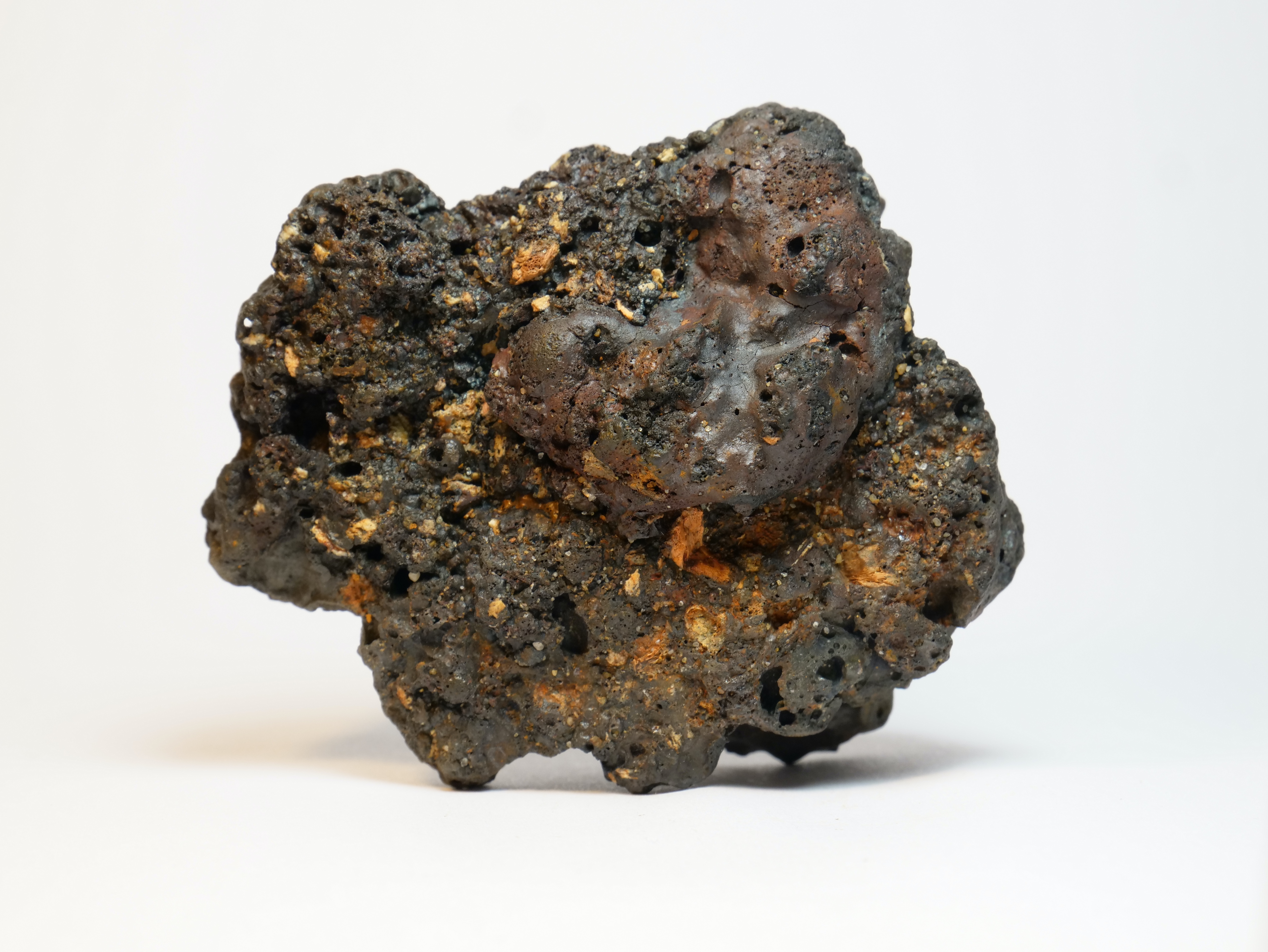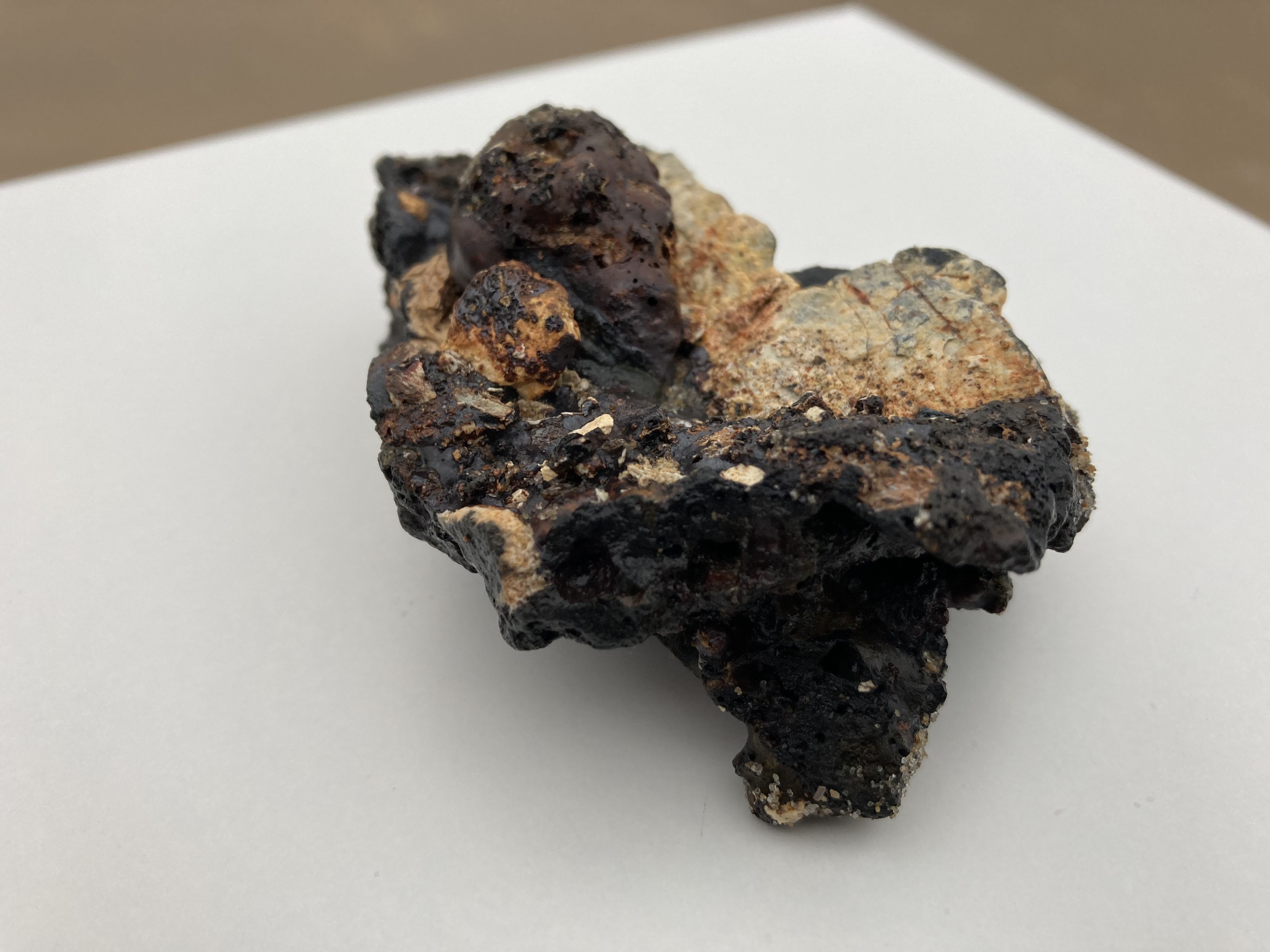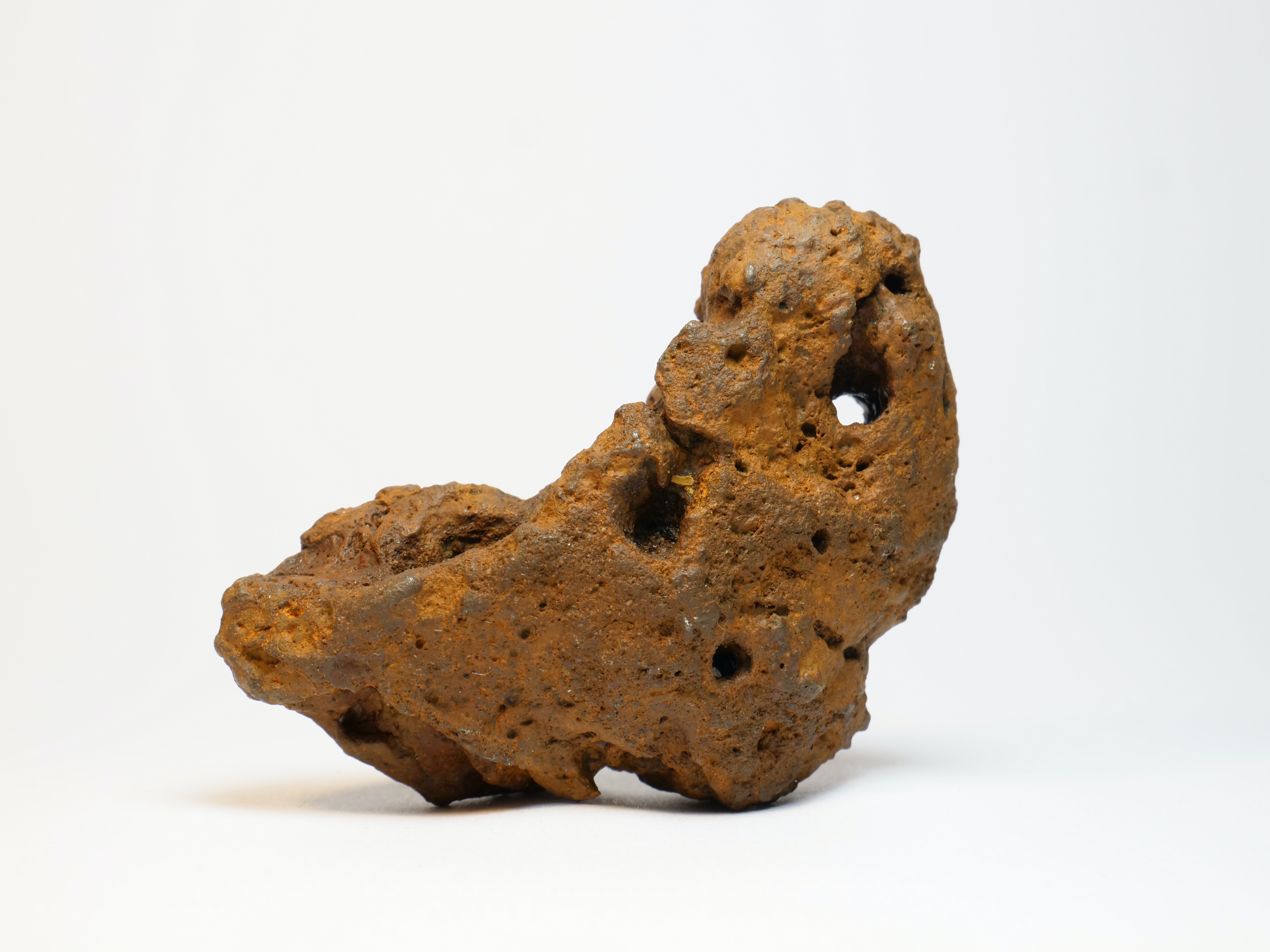
Metallurgic Slag
Slag is a waste product of pyrometallurgical processing of various ores (1).
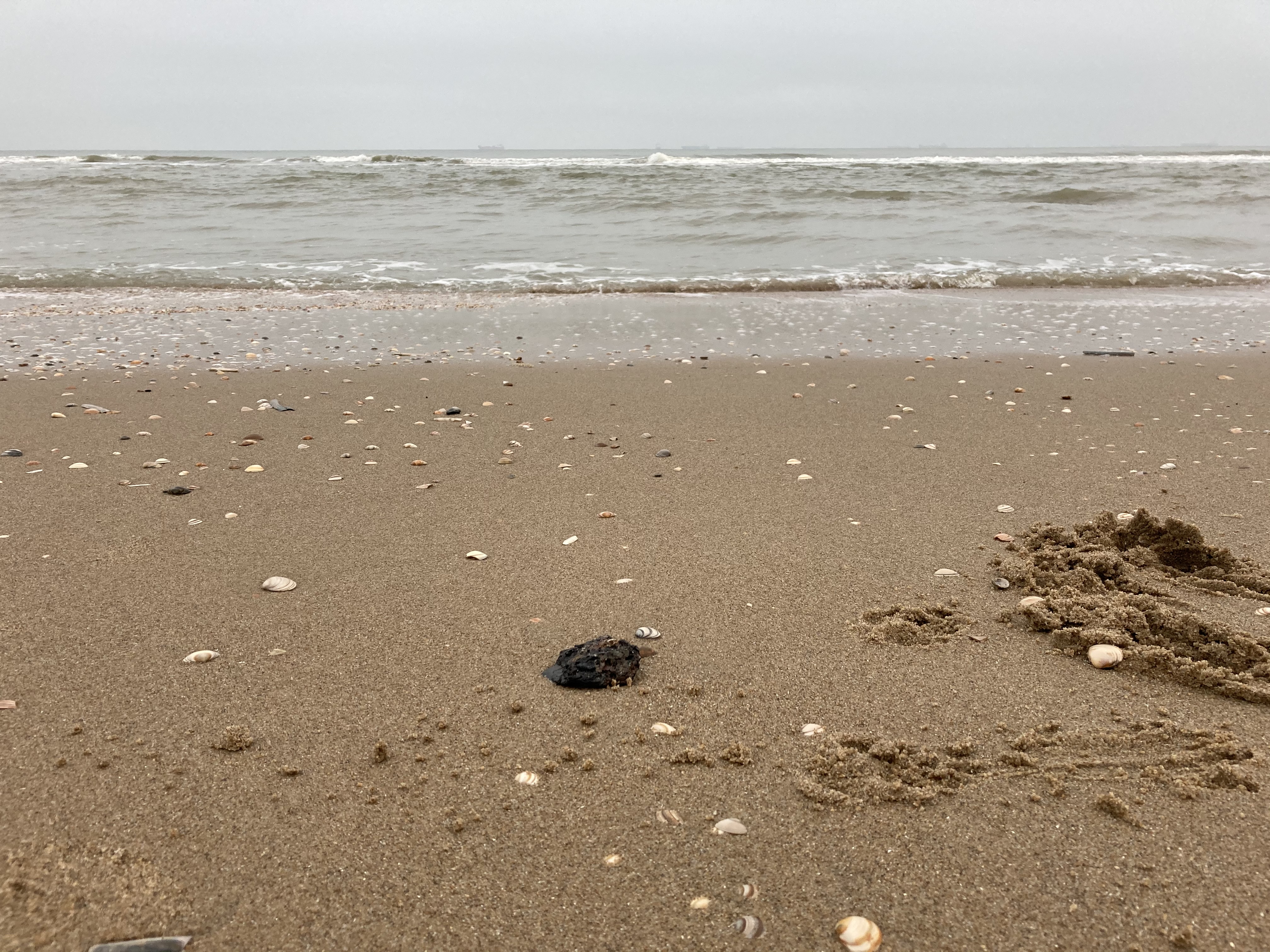
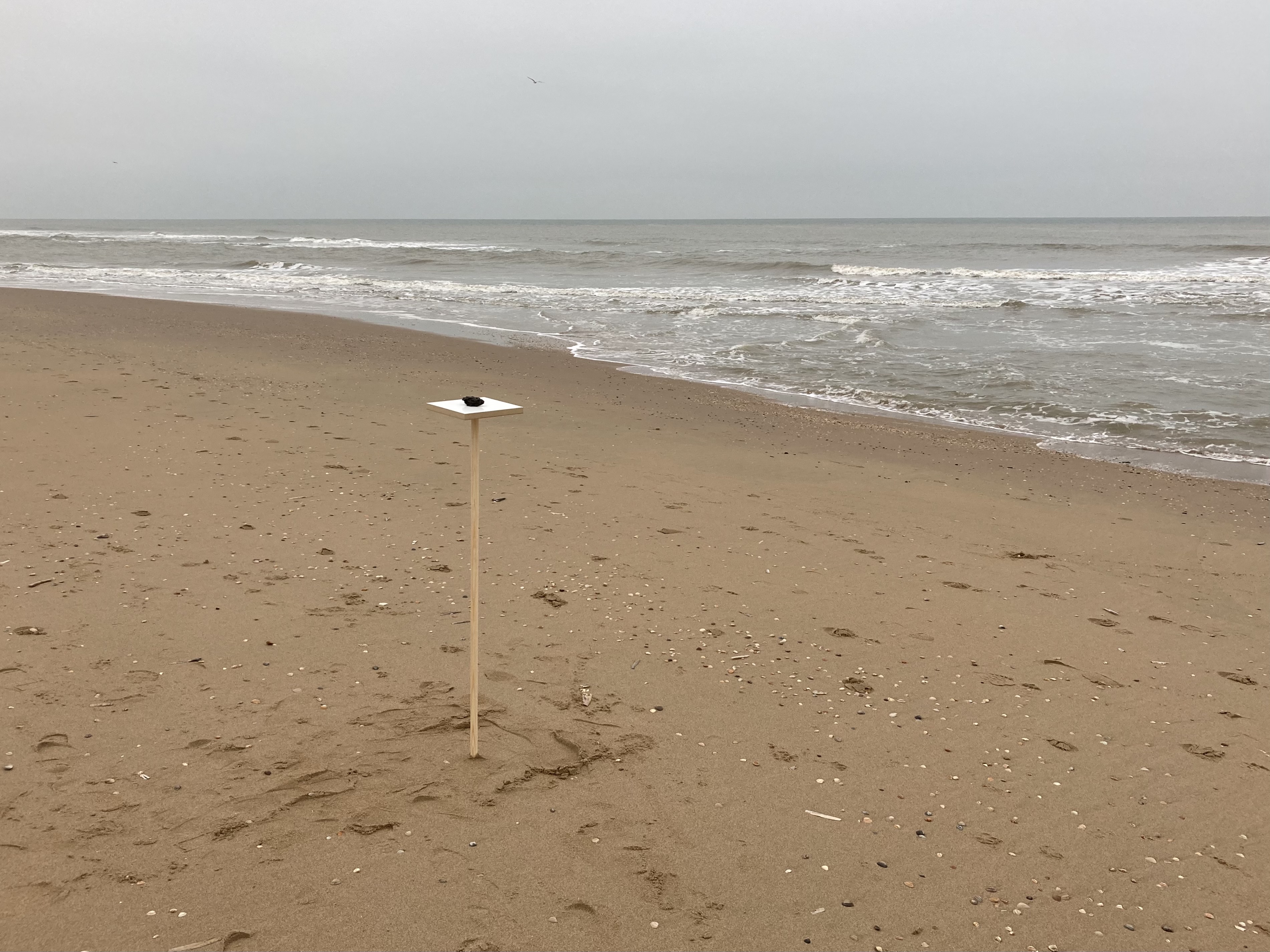
Although this material has always been used in various ways, slag was considered waste for a long time. But among other applications, steel slag was used as ballast for ships in the 1600s (2) and dumped near harbours. This and the deliberate dumping may have led to this material being found so often on the beaches of The Hague (E-mail conversation with Dr Michael B. Parsons).
In general, any type of slag contains chemicals of environmental concern. Slag containing ferrous metals may have a higher potential for negative impacts, because they cause alkaline leachate due to the dissolution of copper oxides and silicates (3). Today, slag is used for various applications: Construction of roads, concrete for bridges and walls, agricultural uses or for insulation (4).
In the Bronze Age, many new and different metallurgical processes were developed in the Mediterranean region. The resulting glassy slag was possibly used for jewellery and glass, as a high proportion of these by-products have been found in beads dating from this period (5).
It seems that slag is everywhere and that it causes a little disappointment to many people who think they have made a geological discovery. Is it slag? It's slag ಠ_ಠ (6)